Unified Platform for Electronic-Sourced Digital Biomarkers in CNS Trials

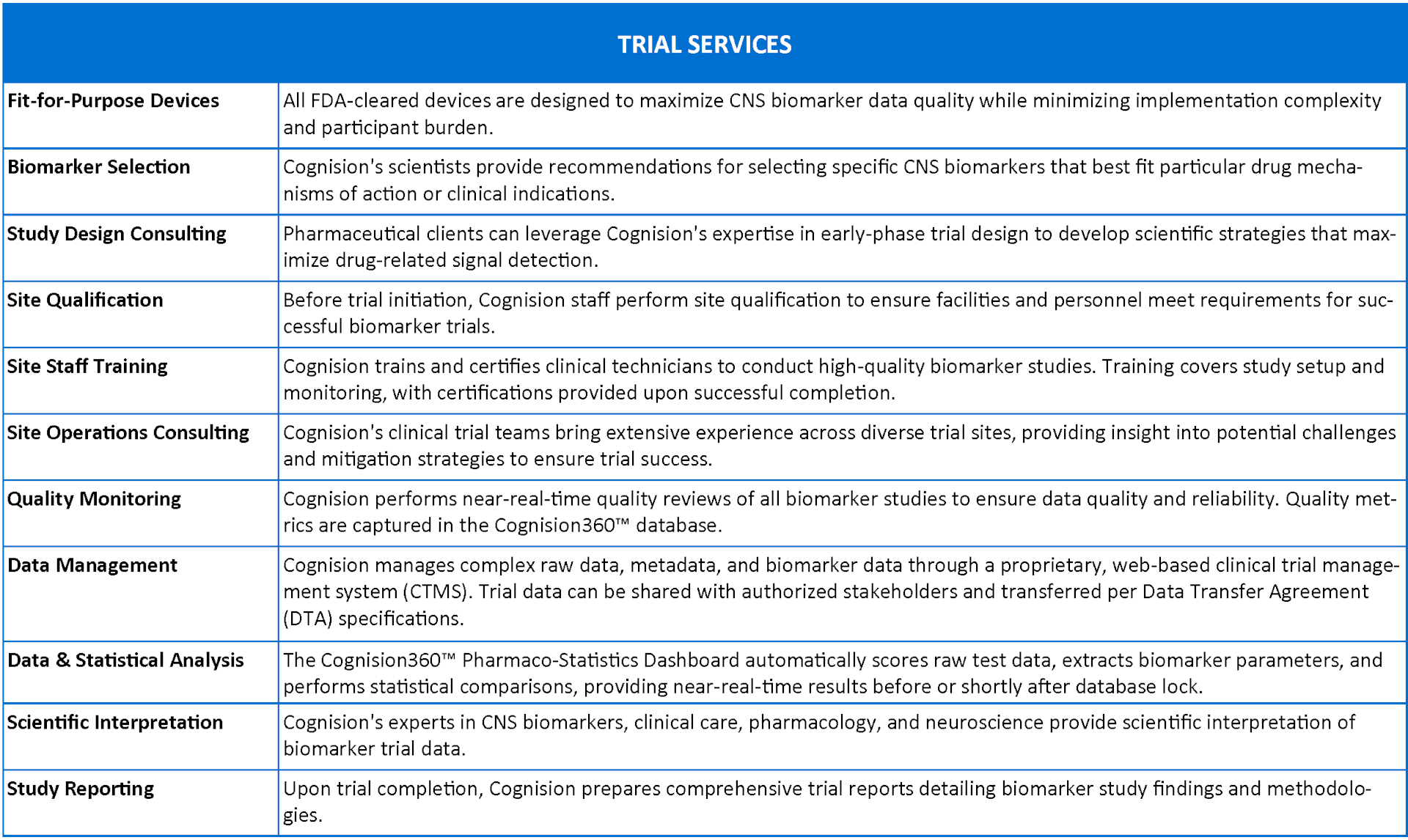
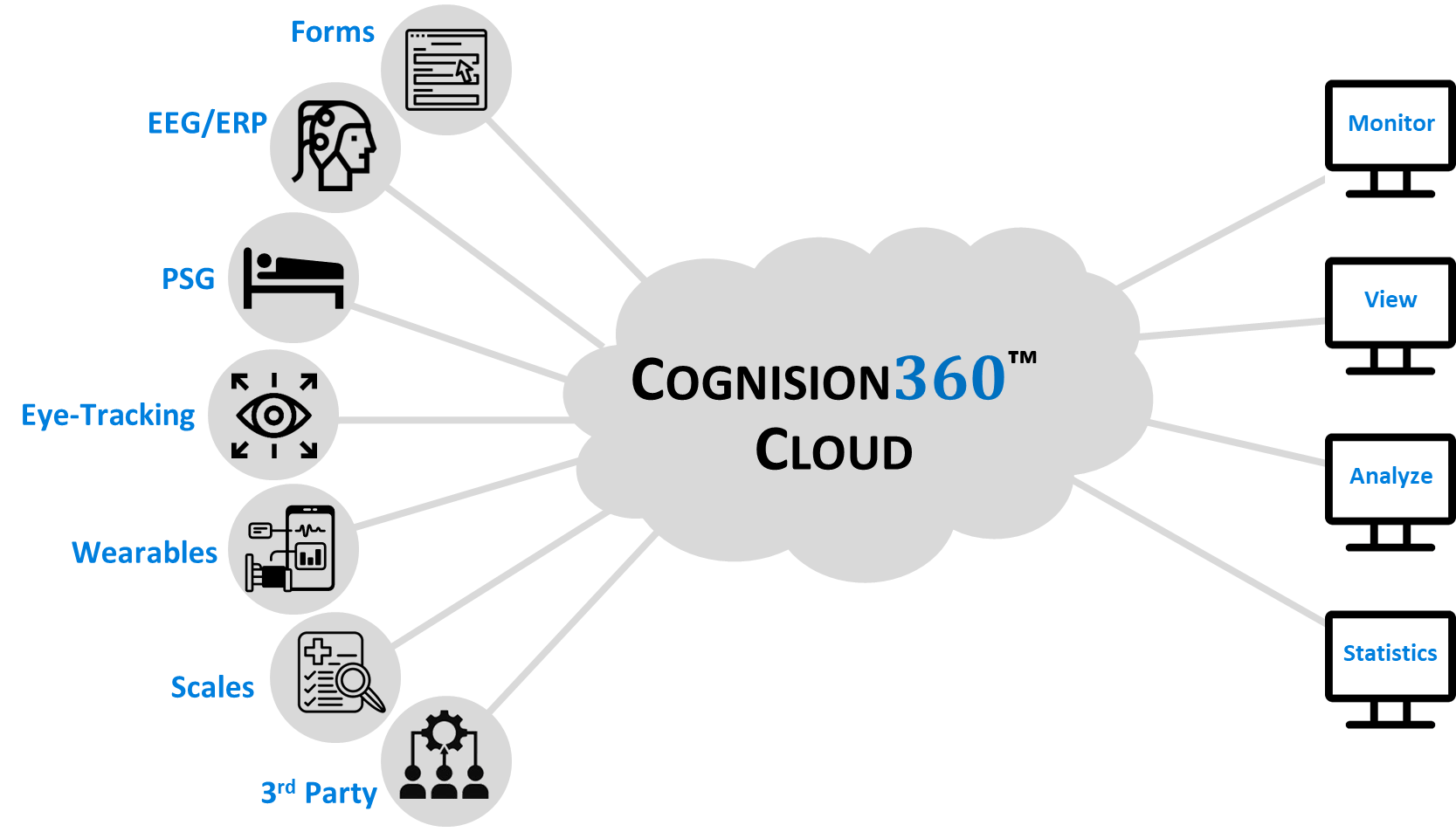
Cognision360™ streamlines digital biomarker implementation in central nervous system clinical trials.  The platform integrates data collection, management, and analysis from multiple sources—advanced instrumentation, wearable sensors, mobile assessments, and remote monitoring tools—into a single unified system.  Researchers gain real-time, objective measurements of cortical function, cognition, motor performance, sleep patterns, and behavioral changes, all captured electronically and managed through one interface.
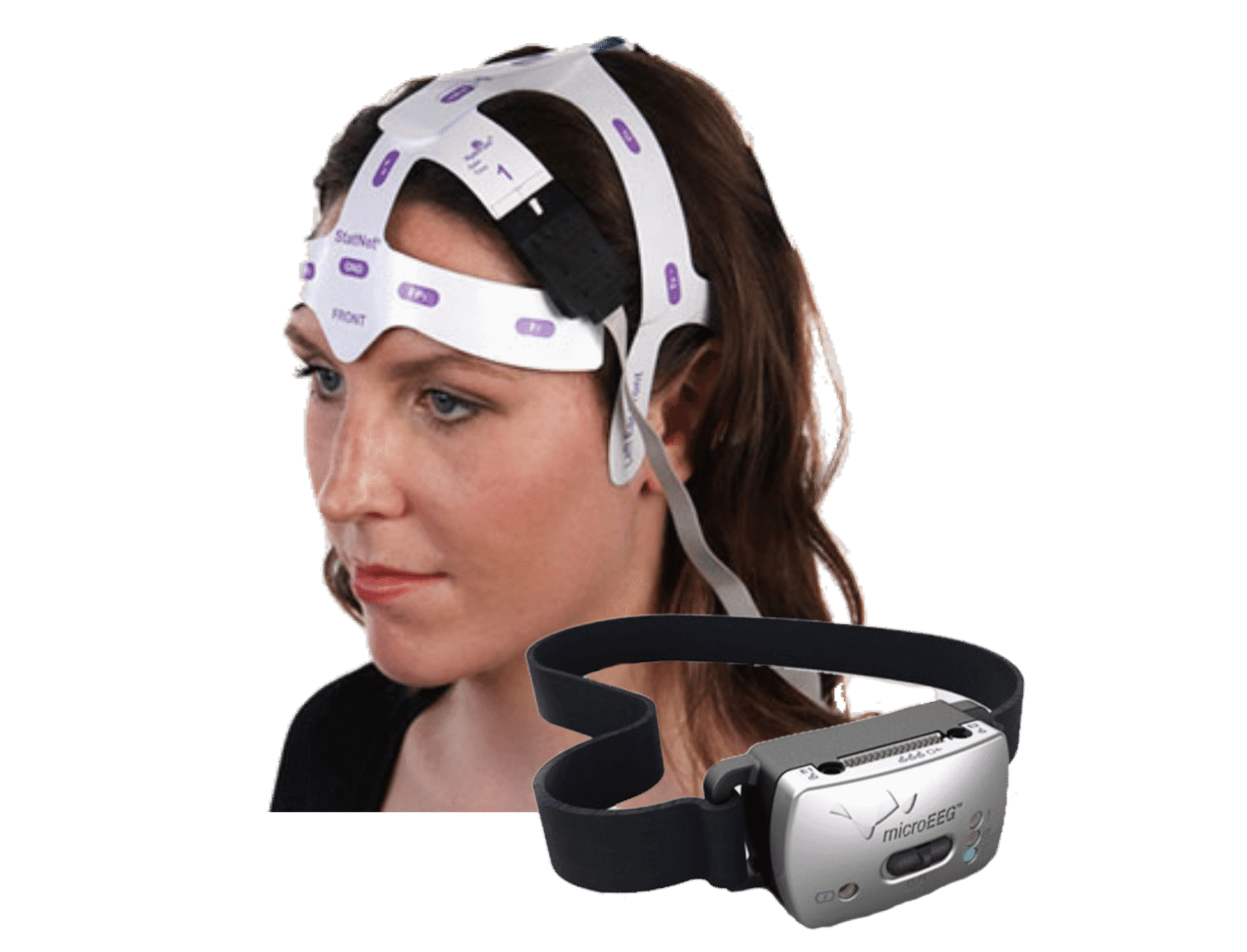
Event-Related Potential (ERP) Biomarkers

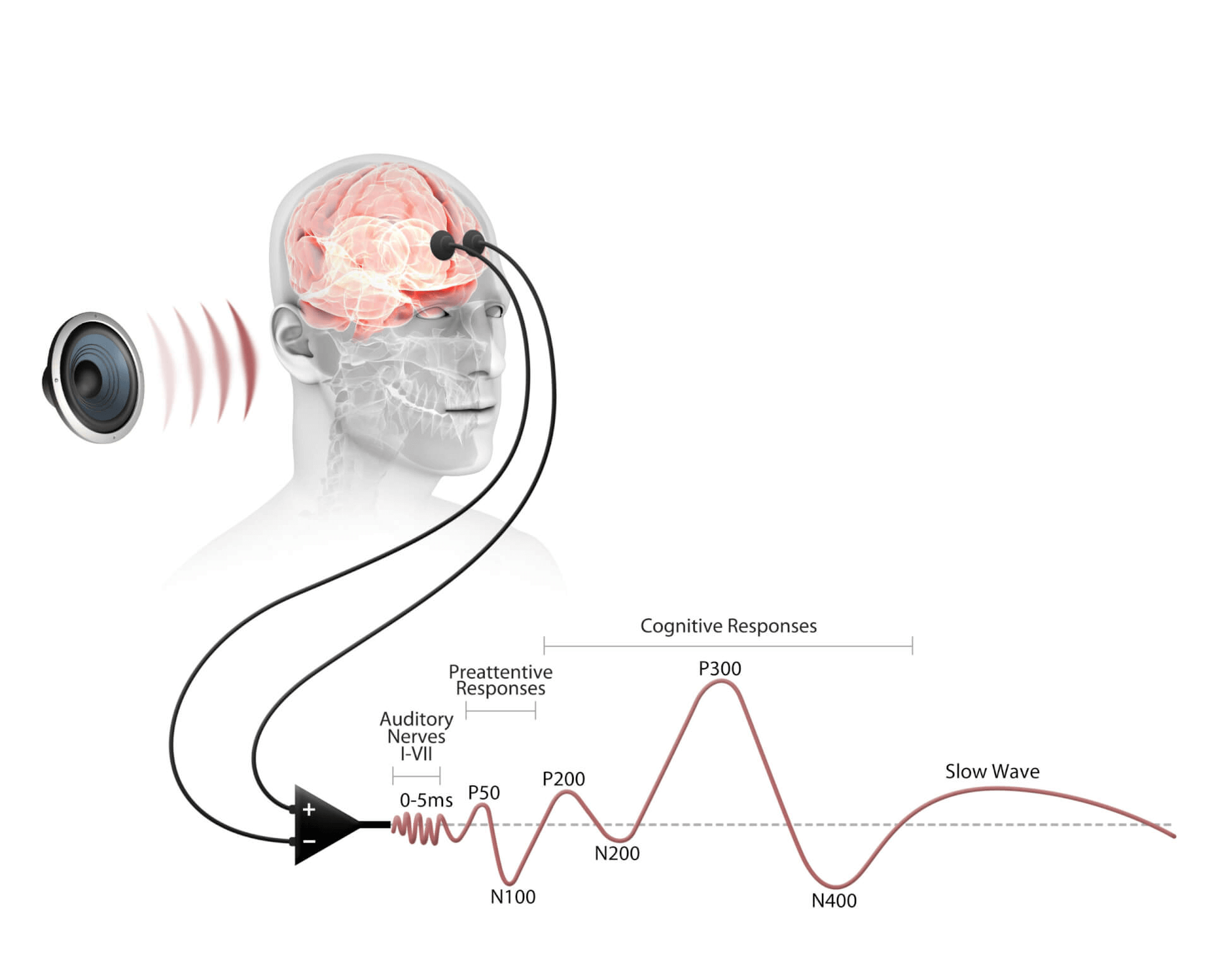
Event-Related Potentials (ERP) are part of the EEG generated by sensory and cognitive processing of sequences of external stimuli.  The stimulus sequences, auditory or visual, are designed to engage specific brain networks involved in fundamental brain functions.  These networks are often impaired in CNS patients and can be readily detected using various paradigms.  These are also the networks that pharmaceutical companies target for modulation by new drugs.  Standardized paradigms include:

  • Active Oddball
  • Mismatch Negativity
  • Auditory Steady State
  • Prepulse Inhibition
  • Sensory Gating
  • Custom Designed

EEG Biomarkers in Drug Trials

Electroencephalography (EEG) measures the summed electrical activity produced by post-synaptic potentials of cortical neurons recorded from the scalp.  It is associated with sensory, regulatory, cognitive, and other brain processes.  EEG can be analyzed in the amplitude vs time domain or can be represented as power in specific frequency bands, often called Pharmaco-EEG.   In clinical trials, EEG is often used for:

  • Long-term seizure monitoring
  • Ambulatory seizure monitoring
  • Pharmaco EEG Recording
  • Safety EEG Recording

PSG/Sleep EEG Biomarkers in Drug Trials

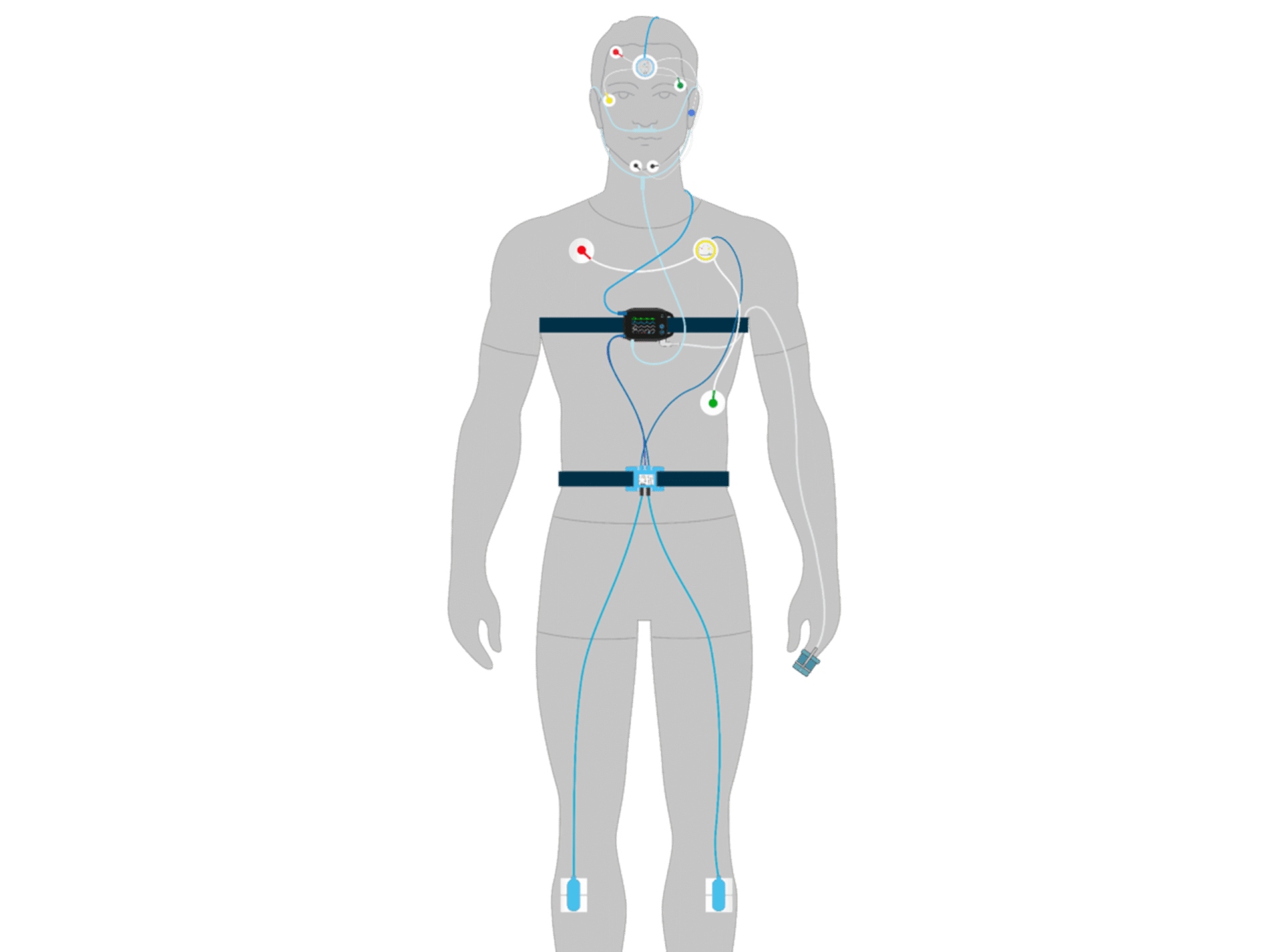
Polysomnography (PSG) are physiologic measures collected during sleep.  These biomarkers provide quantifiable data on sleep architecture, sleep continuity, spectral and microstructure features, respiratory and movement, and physiologic safety measures.  The biomarkers can be used with drugs designed to treat patients with primary sleep disorders as well as well as patients with other disorders that might be related to sleep quality.  We can provide PSG testing that comply with the following AASM study levels:

  • Level 1: Gold-standard in-patient studies
  • Level 2: Streamlined studies using all physiological channels
  • Level 3: Respiration, airflow, and oxygen saturation
  • Level 4: Multi-channel at-home studies

Dynamic Eye-Tracking in Drug Trials

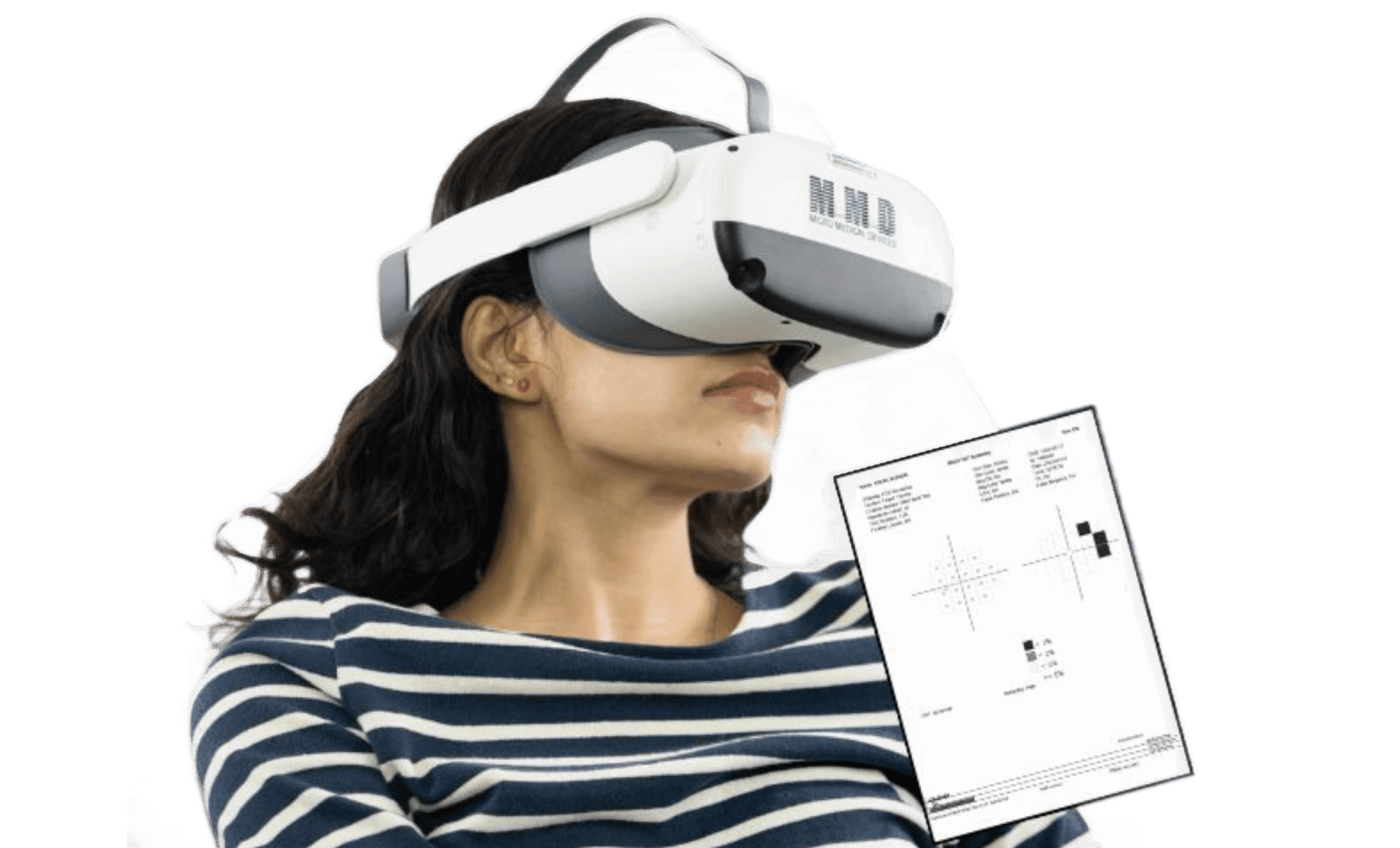
Eye-tracking produces objective neurophysiological biomarkers that can quantify cognitive dysfunction across a range of CNS disorders.  The measures index the integrity of large-scale cortical and subcortical networks—including frontal and parietal attention systems, brainstem autonomic nuclei, and basal ganglia circuits.  These biomarkers can quantify subtle treatment-related improvements or deteriorations that may be missed by other methods.  Eye-tracking measures include:

  • Circular, Horizontal, and Vertical Smooth Pursuit
  • Horizontal and Vertical Saccades
  • Fixation Stability
  • Choice & Discriminate Reaction Time

Wearables

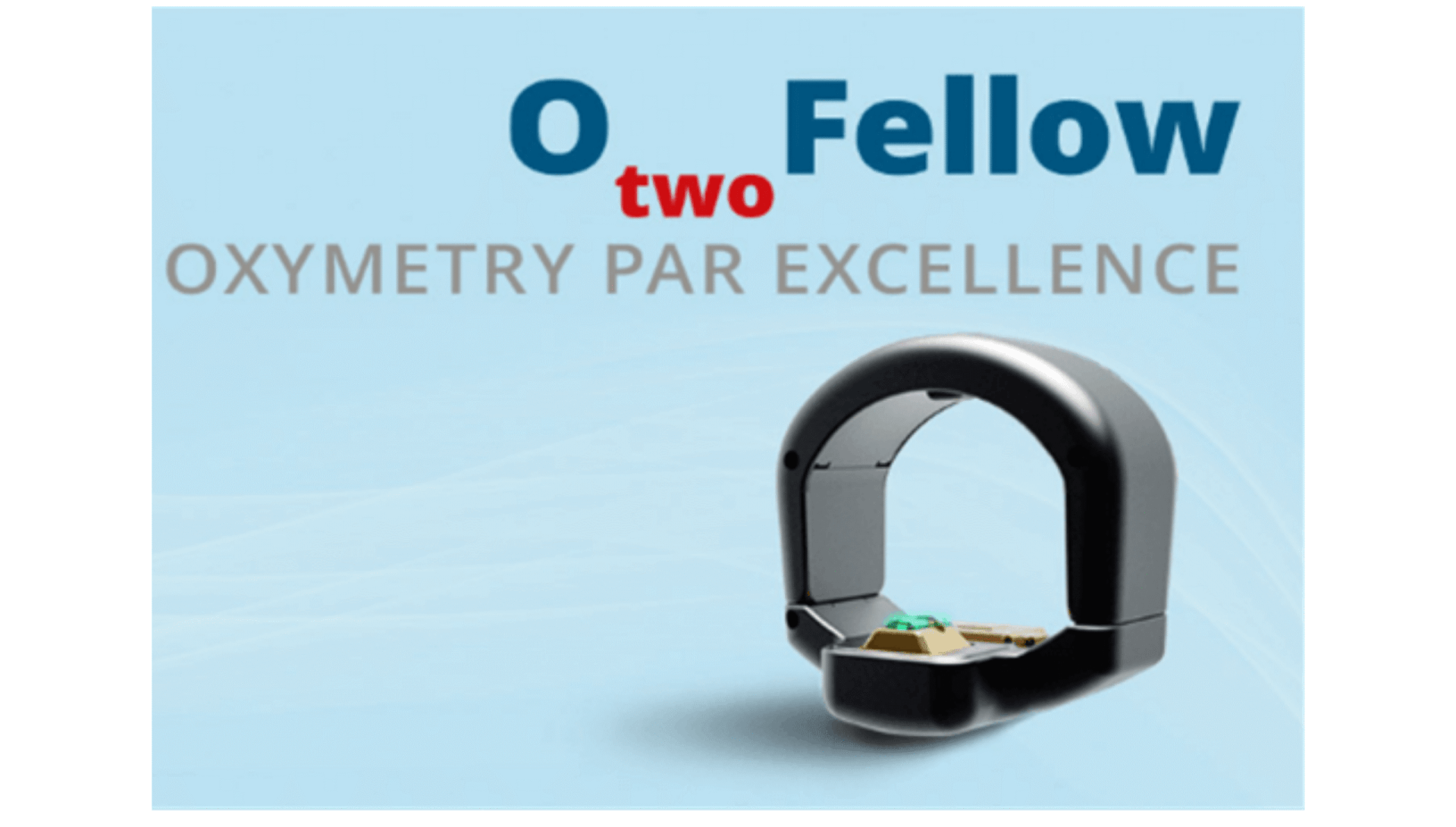
Bluetooth-enabled wearable devices function as electronic data sources (eSources) in decentralized clinical trials, allowing assessments to be initiated and monitored remotely through a standardized user interface.  Data from these sensors flows directly into the standard Cognision360™ data analysis pipeline. Applicable wearable devices include:

  • Pulse oximeters (oxygen saturation sensors)
  • Actigraphy and tremor monitoring devices
  • ECG and cardiac monitoring sensors
  • Ambulatory EEG systems
  • Gait and mobility sensors

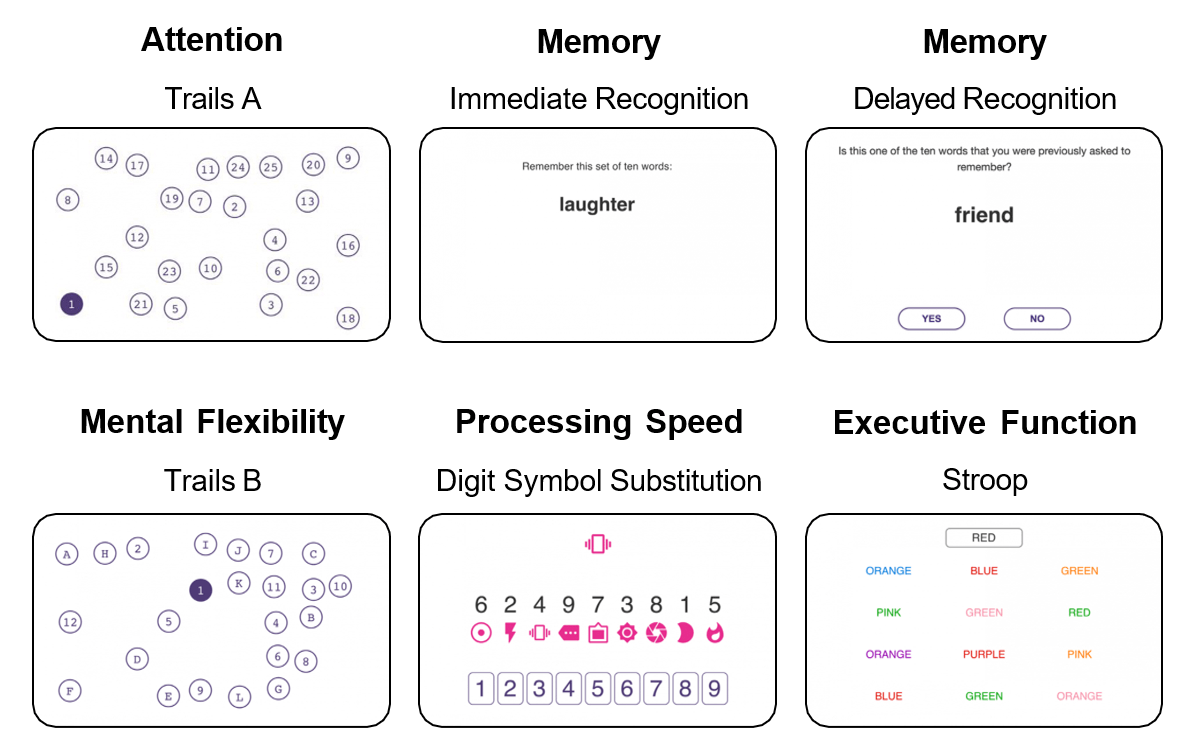
BrainCheck®  Cognitive Testing in Drug Trials

Any computer-based psychometric scales can be initiated and administered through a standardized user interface.  Like all Cognision360™ products, these PSG biomarkers are the result of a fully automated data analysis pipeline and are available to the sponsor or CRO within hours of the sleep session.

  • Attention
  • Working Memory
  • Delayed Memory
  • Mental Flexibility
  • Processing Speed
  • Executive Function

Electronic Forms

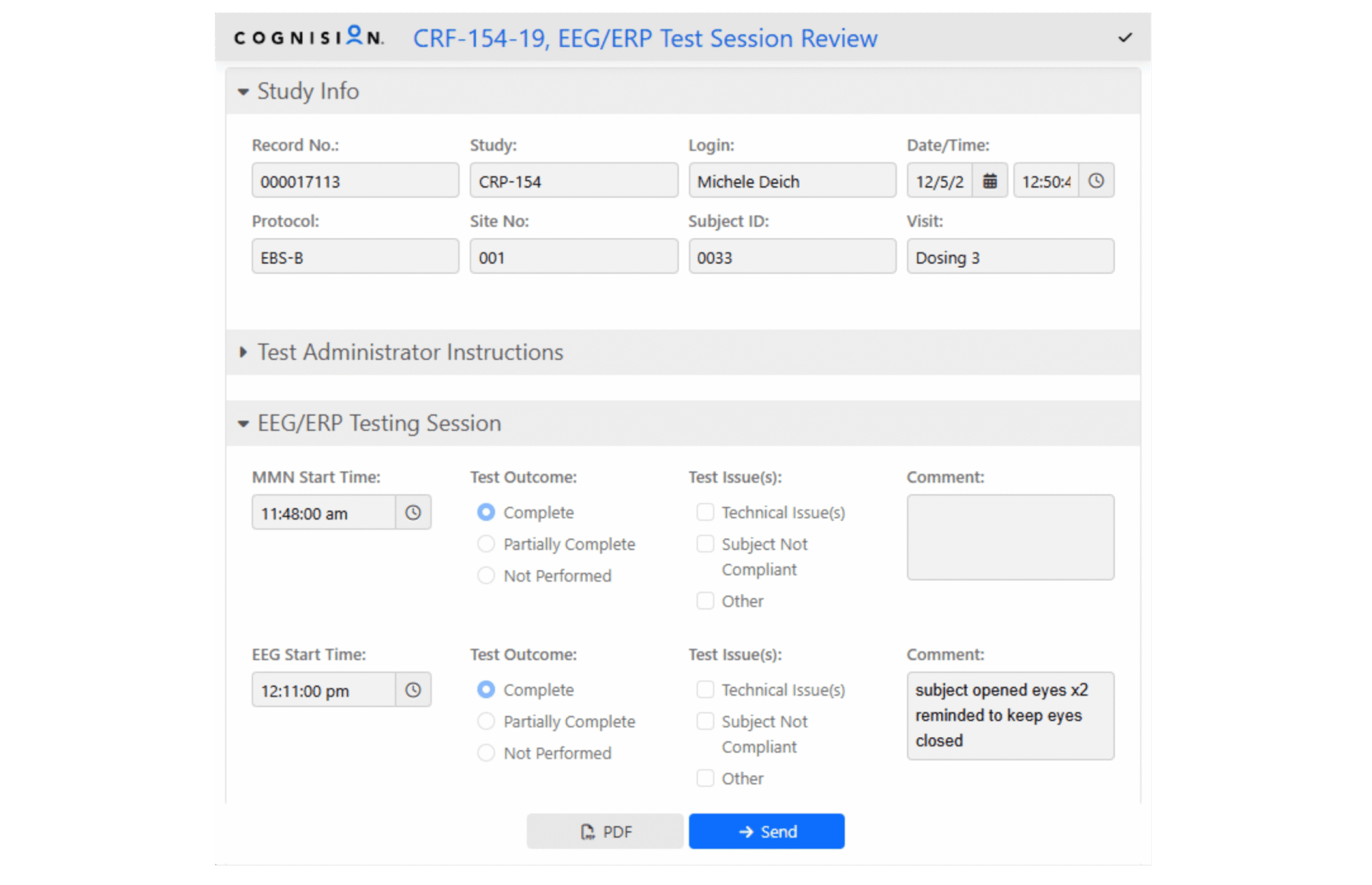
Paper-based scales and case report forms can be translated to electronic forms (eForms) which can be implemented within the same platform as other Cognision360™ biomarker technologies.  These eForms can be used for informed consent, scales, case reports, quality assessments, monitoring reports, and other electronic data sources.  The form functionality includes:

  • WYSIWYG
  • Input Masks & Field Checks
  • Programmable Logic
  • Electronic Signatures
  • Routing

3rd-Party Devices

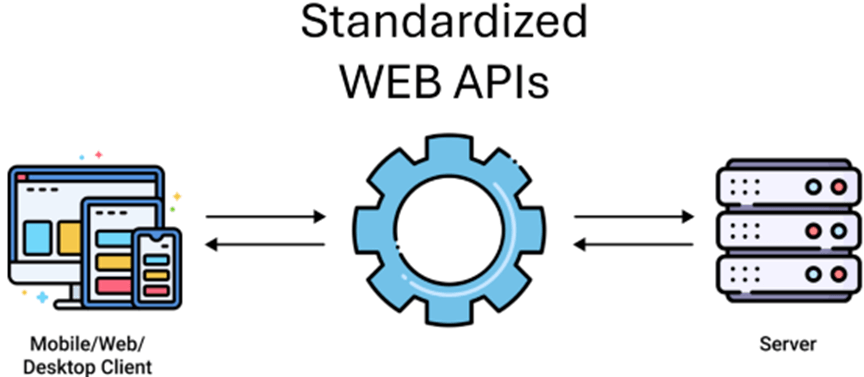
Cognision360™ enables 3rd-party devices and technologies to be controlled with the same user interface as all other EDC/DDC technologies.  The system implements standardized APIs for connecting to these devices:

  • WebUSB – direct USB device access
  • WebBluetooth – Bluetooth Low Energy (BLE)
  • WebHID – Human Interface Devices (keyboards, sensors)
  • WebSerial – Serial port communication

Practical Implementation

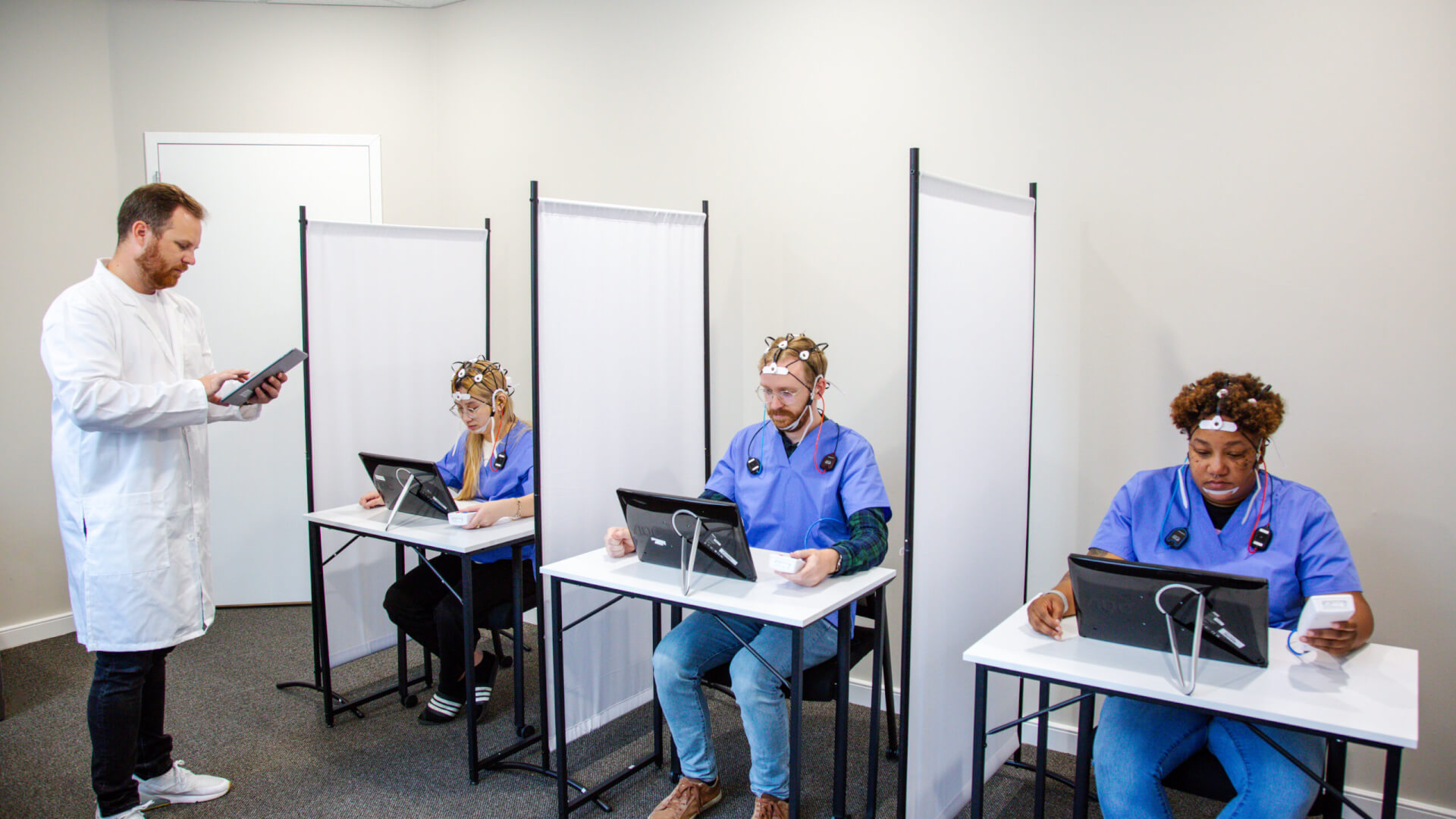
Cognision360™ enables non-specialists to perform assessments using advanced technologies such as EEG, eye-tracking, PSG, etc., by simplifying the setup, initiation, and  monitoring of these biomarker modalities.

The wireless, fully automated devices are designed for participant comfort, maximizing data collection while minimizing burden.  Assessments launch seamlessly through a tablet interface, with results automatically uploaded to the Cognision360™ Cloud for immediate access, quality assessment, and analysis.

Desktop or Tablet-based User Interface

Cognision360 enables advanced interactions with trial participants through an intuitive and streamlined user interface.  The browser-based UI is equally flexible on a tablet or laptop computer.

With built-in regulatory compliance, automated data validation, and intuitive dashboards, research teams can confidently administer trial assessments, monitor participant engagement, track protocol adherence, and identify meaningful clinical signals throughout the trial lifecycle.

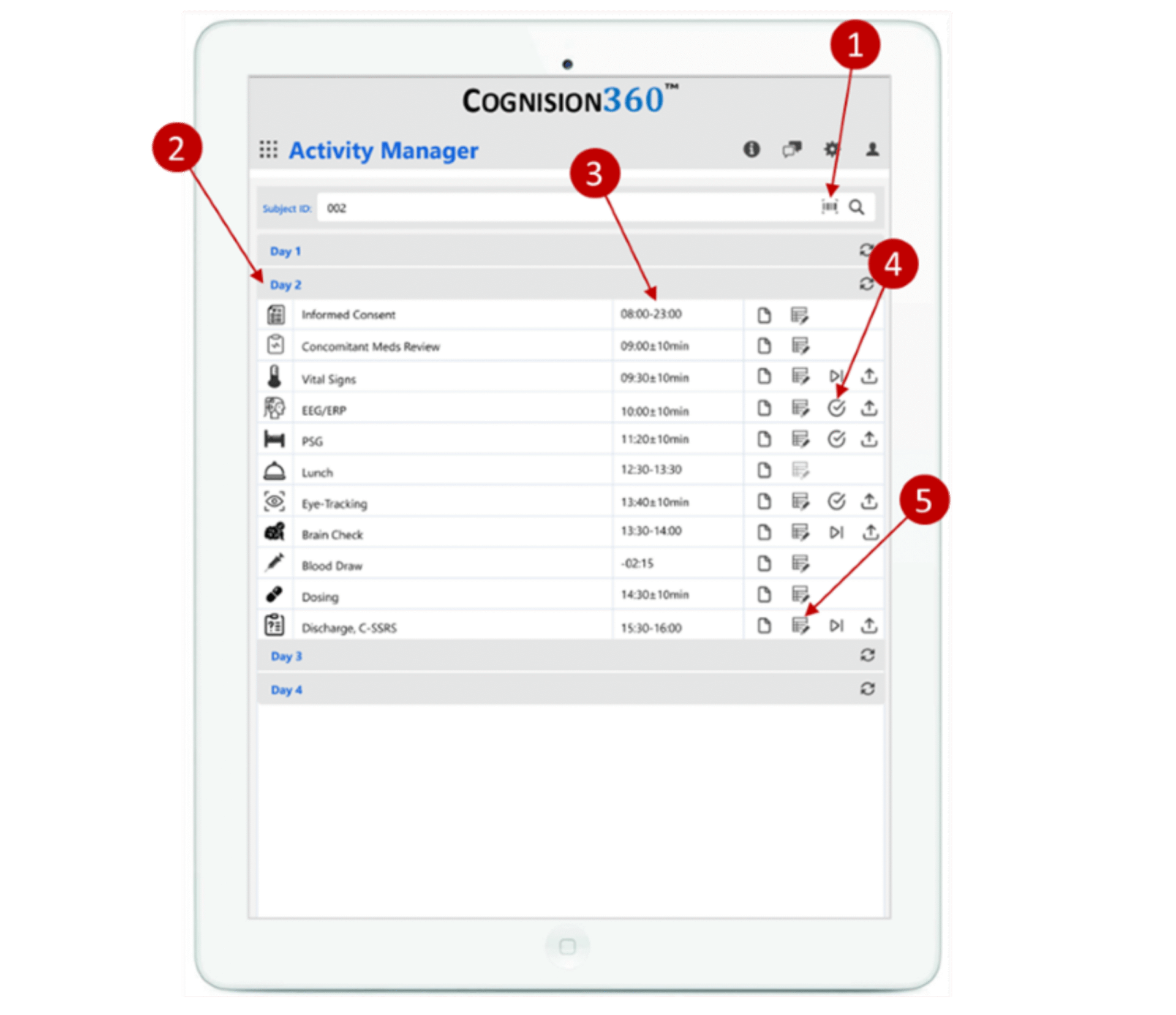
  1. Participants are selected using barcode wristbands.
  2. Participant-specific schedule of activities is provided for each day of the trial.
  3. Scheduled time window is shown and actual time is automatically captured.
  4. All direct data capture (DDC) activities can be initiated and monitored from the tablet.
  5. All CRFs can be filled on the tablet for each activity.

Automated Data Analysis Pipeline

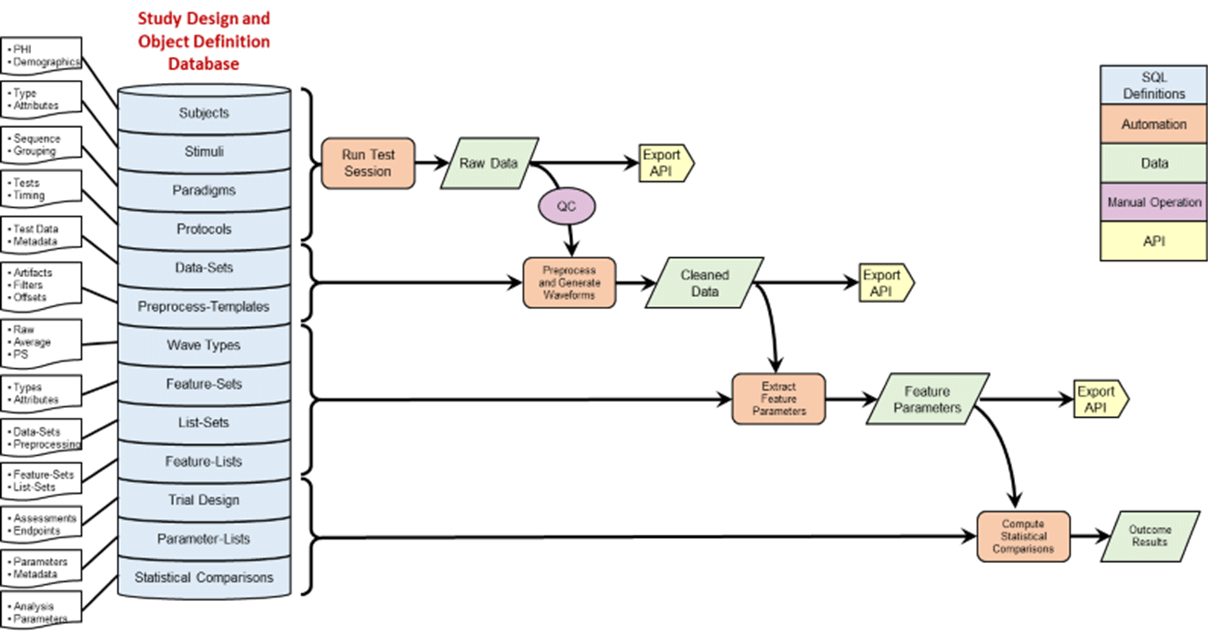
All clinical trial data uploaded to the Cognision360™ Cloud is automatically linked to the appropriate trial and participant metadata, ensuring data integrity throughout the process.

When needed, trial technicians review the raw data to verify it meets predefined quality standards. The system then automatically cleans and preprocesses the data to optimize signal quality. Next, advanced algorithms extract the specified features that comprise the parameter list. Finally, results can be displayed on a pharmaco-statistics dashboard, delivering insights in near real-time.